

Table of Contents
- What Is AI-Powered Search?
- Do You Need a Separate SEO Strategy for Google AI?
- Make Your Website Easy to Understand
- Strengthen Internal Linking
- Use Structured Data, but Do Not Treat Schema as an AI Shortcut
- Create Content That Adds Something Useful
- AI Can Help With Content, but Human Input Still Matters
- Do Businesses Have to Label AI-Generated Content?
- What About llms.txt?
- Your Google Business Profile Still Matters
- Reviews Still Matter
- Add Real Photos and Videos
- Keep Your Website and Business Profile Consistent
- Build Clear Signals About Who Your Business Is
- Answer the Questions Your Customers Actually Ask
- Track AI Search Visibility
- What Should Local Businesses Focus on First?
- Prepare for AI Search Without Chasing Every Trend
Search is changing quickly, but local businesses do not need to throw out everything they know about SEO and start over.
Google is placing more AI-generated answers directly into Search through features such as AI Overviews and AI Mode. At the same time, people are getting more comfortable asking longer, more conversational questions instead of typing a few short keywords and sorting through the results themselves.
That shift matters for local businesses. Someone looking for a contractor, restaurant, medical provider, moving company, or marketing agency may now ask Google a full question, compare several options at once, or rely on an AI-generated response before ever clicking a traditional search result.
The good news is that Google has been very clear about one thing: there is no separate set of requirements for appearing in AI Overviews or AI Mode. The same SEO fundamentals still matter. Google says businesses do not need special AI markup, a new type of schema, or a completely different optimization strategy just to appear in its generative search features. Google’s documentation on AI features in Search explains those requirements in more detail.
What has changed is the importance of making your website, business information, and content easy to understand, trustworthy, and genuinely useful.
For local businesses in New Jersey, Florida, and beyond, preparing for AI search starts with strengthening the same digital foundation that already supports traditional search visibility.
What Is AI-Powered Search?
AI-powered search uses generative artificial intelligence to help people explore questions, compare information, and find relevant resources more quickly.
Google currently uses AI features including AI Overviews and AI Mode. AI Overviews can summarize information directly within search results, while AI Mode is designed for more complex questions, comparisons, and follow-up searches.
These systems can also use what Google calls query fan-out. Instead of treating a search as one simple query, Google may run several related searches behind the scenes to gather information from different sources and build a more complete response.
For a local business, that means your website may be discovered through questions that do not exactly match the keywords you originally targeted.

A homeowner may ask, “What should I look for before hiring a concrete contractor?”
Someone planning a move may ask, “How far in advance should I book movers for a move across town?”
A business owner may ask, “How can I improve my Google Business Profile and appear more often in local search?”
Strong content can address those questions naturally without creating a separate page for every possible search variation.
Do You Need a Separate SEO Strategy for Google AI?
There is already a growing industry around terms such as AEO, or Answer Engine Optimization, and GEO, or Generative Engine Optimization.
Those concepts can be useful when discussing how search behavior is changing, but Google’s own guidance is much simpler.
Google says optimizing for its generative AI search experiences is still SEO. Its AI search features rely on many of the same core ranking and quality systems used in traditional Google Search.
That means businesses should still focus on the fundamentals:
- Making important pages crawlable and indexable
- Creating useful, original content
- Building a clear website structure
- Improving internal linking
- Keeping important information available in text
- Using accurate structured data
- Maintaining a strong page experience
- Keeping Google Business Profile information current
Google specifically states that there are no additional technical requirements for AI Overviews or AI Mode. A page must generally be indexed and eligible to appear in regular Google Search before it can be considered for these AI features.
This is why chasing every new “AI SEO hack” is usually a poor use of time.
A technically weak website with thin service pages is not going to become stronger because someone added an AI-specific file or rewrote every paragraph to sound like a chatbot prompt.
The foundation still matters.
VINIO Marketing’s SEO services focus on that foundation, including on-page SEO, technical SEO, local optimization, content strategy, and ongoing search performance.
Make Your Website Easy to Understand
One of the most practical things a business can do for both traditional and AI-powered search is make its website clear.

That sounds obvious, but many business websites make visitors work surprisingly hard to understand what the company does, where it operates, or which services it provides.
Create Clear Service Pages
Each important service should have a page that explains:
- What the service is
- Who it is for
- What is included
- How the process works
- Common questions customers ask
- Where the service is available
- What someone should do next
Avoid vague copy that could belong to any company in any industry.
Statements such as “we provide innovative solutions designed to drive success” may sound polished, but they tell a search engine and a potential customer almost nothing.
Specific information is more useful.
Build Strong Location Information
Local businesses should also clearly explain where they operate.
That can include dedicated location pages when there is enough unique information to justify them, accurate contact information, service-area details, and locally relevant content.
For businesses with multiple locations, each location should be represented accurately rather than trying to force several markets into every paragraph on the site.
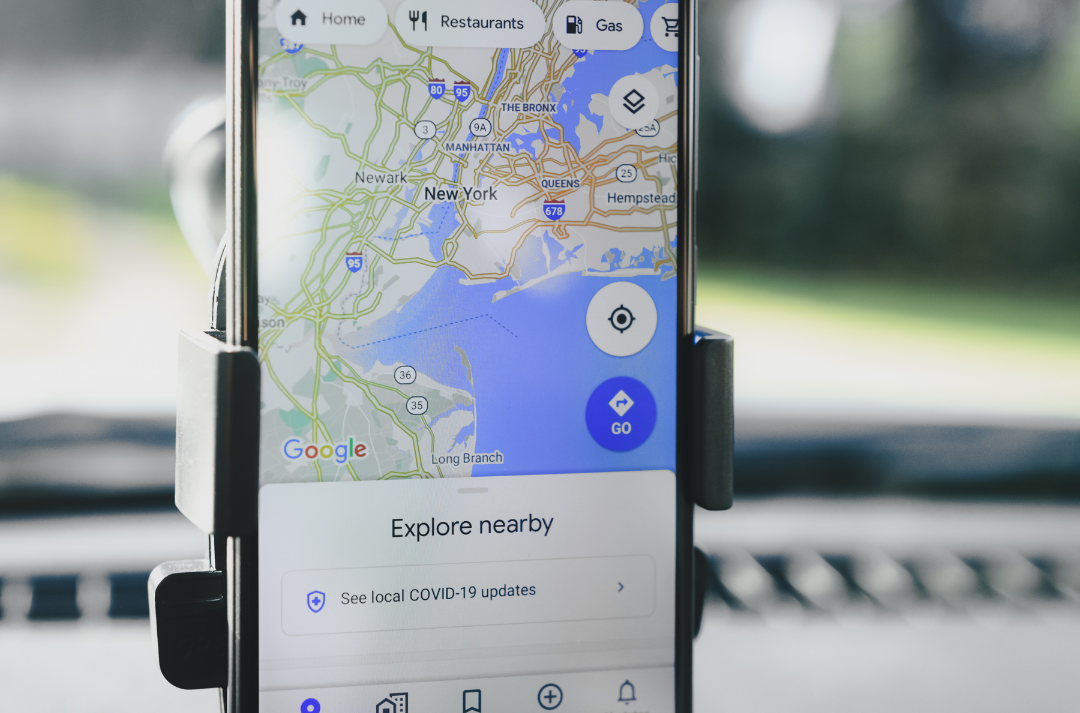
VINIO Marketing, for example, serves businesses from locations in both New Jersey and Florida. That information should be consistent across the website, business listings, structured data, and other online profiles.
Strengthen Internal Linking
Internal links help visitors move through a website, but they also help search engines understand how different pages are related.
Google recommends making important content easy to discover through internal links as part of its broader search guidance.
A blog about online reviews might naturally link to a company’s reputation management service.
A local SEO article could link to a Google Business Profile optimization page.
A social media article might link to social media management, advertising, or content creation services.
This creates a clearer relationship between informational content and the services a business actually provides.
The anchor text should also make sense. A descriptive link such as “Google Business Profile optimization” provides more context than linking vague text such as “click here.”
Use Structured Data, but Do Not Treat Schema as an AI Shortcut
Structured data can help search engines better understand information on a website and can make pages eligible for certain enhanced search features.
Depending on the business and page, useful schema types may include:
- Organization
- LocalBusiness
- Service
- Article
- BreadcrumbList
- Product
- FAQPage when appropriate and eligible
Structured data should always match the information visitors can actually see on the page.
But there is an important distinction when it comes to AI search.
Google says there is no special schema markup required for AI Overviews or AI Mode. Schema is part of a larger SEO strategy. It is not a magic switch for AI visibility.
Create Content That Adds Something Useful
One of the strongest themes in Google’s current search guidance is the importance of useful, original content.
For a local business, that can include:
- Real examples from completed projects
- First-hand experience
- Common questions customers actually ask
- Local knowledge
- Original photos and videos
- Case studies
- Pricing factors
- Explanations of how a service works
- Lessons learned from real situations
- Expert commentary from people who actually perform the work

This kind of information gives both visitors and search engines more context about the business behind the website.
It also gives AI systems something meaningful to reference instead of another generic summary of a topic.
AI Can Help With Content, but Human Input Still Matters
AI can be useful during the content process.
It can help organize information, brainstorm topics, summarize research, create an initial structure, or identify questions that may be worth answering.
What it should not do is replace expertise.
Google does not say that AI-generated content is automatically bad. Google evaluates the quality and usefulness of content rather than judging content solely by how it was created. You can read more in Google’s guidance on AI-generated content.
The problem comes when businesses use automation to produce large amounts of thin, repetitive content with little original value.
Google warns that using generative AI to create many pages without adding meaningful value can violate its policies on scaled content abuse.
That is why human-led content still matters.
Someone who actually understands the business can add details an automated system cannot know on its own. That might include how customers typically make decisions, what mistakes people commonly make, what happens during a service appointment, or what makes one solution more appropriate than another.
AI can assist with the process. The experience, accuracy, and final judgment should still come from people who understand the subject.
Do Businesses Have to Label AI-Generated Content?
This is an area where there is a lot of confusion.
There is not a blanket rule requiring every business to place an “AI-generated” label on every webpage or blog post that involved AI.
Google does not require an AI disclosure simply because AI helped create content.

Instead, Google recommends considering disclosure when a reader would reasonably want to understand how the content was created. Google also encourages publishers to provide context about automation when that information would be useful to the audience.
The bigger concern for most businesses is accuracy and transparency.
AI-generated copy should never be used as an excuse to publish:
- Fake testimonials
- Fabricated statistics
- Invented case studies
- Misleading claims
- Fake expert opinions
- Incorrect service information
Businesses also need to consider any industry-specific or jurisdiction-specific disclosure requirements that may apply to their advertising or content.
The safest approach is simple: use AI as a tool when it helps, verify the information, add real expertise, and make sure the final content accurately represents the business.
What About llms.txt?
Another term getting a lot of attention in AI search discussions is llms.txt.
The idea behind llms.txt is to provide AI systems with a simplified file containing important information and links from a website. The proposed standard is documented at llmstxt.org.
That may sound similar to the role a sitemap plays for search engines, but they are not the same thing.
More importantly, Google has said that no special AI text file is required to appear in AI Overviews or AI Mode.
That does not necessarily make llms.txt useless.
Other AI tools, crawlers, or emerging systems may choose to use it, and businesses may decide to maintain one as part of preparing their websites for a broader AI ecosystem.
But it should be treated as optional.
A business should not spend hours perfecting an llms.txt file while its website has broken internal links, outdated service information, indexing problems, thin content, or an incomplete Google Business Profile.
Fix the foundation first.
Your Google Business Profile Still Matters
For local businesses, AI search does not make Google Business Profile less important.
Google specifically recommends keeping Business Profile information current as part of its guidance for appearing in AI search experiences.

Your profile gives Google important information about your business, including what you do, where you operate, when you are open, and how customers interact with you.
Google says local results are primarily influenced by relevance, distance, and prominence. It also notes that complete and accurate business information can help Google better understand a business and match it with relevant searches. See Google’s local ranking guidance for more information.
Keep Business Information Accurate
Review your profile regularly and make sure information such as the following is correct:
- Business name
- Address or service area
- Phone number
- Website
- Hours
- Primary and secondary categories
- Services
- Business attributes
Do not add information simply because you think it will improve rankings. It should accurately reflect the business.
Reviews Still Matter
Reviews are useful for more than convincing a potential customer to call.
Google states that review count and review scores can contribute to local prominence, while thoughtful responses can also help a business stand out.
For local businesses, that makes review management an important part of both reputation and local visibility.
Focus on earning legitimate reviews from real customers and responding naturally.

Do not manufacture reviews, buy them, or encourage people to include specific keywords simply for SEO purposes.
A healthy review profile develops over time.
Businesses that need help monitoring and managing customer feedback can incorporate reputation management into their local search strategy.
Add Real Photos and Videos
Your online presence should also show evidence that your business actually exists and does the work it claims to do.
Google recommends adding photos and videos to Business Profiles because they help customers understand what a business offers.
Useful visual content might include:
- Your team
- Your location
- Completed projects
- Products
- Equipment
- Services in progress
- Before-and-after examples
- Events
- Behind-the-scenes content
The same principle applies to your website.
Original visuals give customers more context and help differentiate your site from competitors using the same stock images everyone else downloaded ten years ago.
Keep Your Website and Business Profile Consistent
Google does not rely solely on the information a business manually enters into its profile.
Google says Business Profile information can also come from publicly available web content, licensed third-party data, user contributions, and other sources. Google explains where Business Profile information comes from here.
That makes consistency important.
Your website, Google Business Profile, directory listings, and major social profiles should agree on basic information such as:
- Business name
- Address
- Phone number
- Locations
- Services
- Hours
- Website address
Conflicting information creates unnecessary confusion for customers and for systems trying to understand the business.
Build Clear Signals About Who Your Business Is
AI search systems are trying to answer questions with confidence.
That makes clear business information increasingly important.
Across the web, there should be consistent evidence of:
- Who your business is
- What services you provide
- Where you operate
- What your expertise is
- How customers describe their experiences
- Whether other trustworthy websites mention or link to you
Your website is one part of that picture.

Google Business Profile, citations, industry directories, social profiles, reviews, news coverage, partnerships, and backlinks can all contribute additional context.
This is not about manufacturing mentions simply to influence AI systems.
The goal is to create an accurate and consistent digital footprint.
Answer the Questions Your Customers Actually Ask
Traditional keyword research still has value, but AI-powered search makes natural questions even more important.
Think about what customers ask before they buy.
- How much does this service usually cost?
- How long will the project take?
- Do you serve my city?
- What is included?
- What should I do before the appointment?
- What is the difference between these two services?
- Is this the right option for my situation?
These questions can become FAQ sections, blog topics, service-page content, videos, or supporting resources.
Google’s AI systems can explore several related parts of a question, so a useful page does not need to repeat every possible keyword variation.
Write naturally and answer the question well.
That is far more useful than creating twenty nearly identical pages targeting slightly different phrases.
Track AI Search Visibility
As Google continues expanding its AI search experiences, businesses should pay attention to how search behavior and organic performance change over time.

Search Console and analytics data can help identify changes in visibility, traffic, engagement, and conversions.
Continue tracking:
- Organic traffic
- Impressions
- Clicks
- Conversions
- Leads
- Engagement
- Branded searches
- Phone calls
- Form submissions
- Google Business Profile activity
Search visibility only matters if it contributes to actual business goals.
What Should Local Businesses Focus on First?
AI search may feel new, but the priority list for most local businesses is surprisingly practical.
- Make sure important pages can be crawled and indexed.
- Strengthen core service pages.
- Create useful location content where appropriate.
- Keep your Google Business Profile complete and accurate.
- Earn legitimate customer reviews and respond to them.
- Add structured data where it makes sense.
- Publish useful, expert-led content.
- Improve internal linking.
- Keep business information consistent across the web.
- Track Search Console and analytics data.
- Consider emerging tools such as
llms.txt, but do not mistake them for shortcuts.
Most businesses will gain more from doing those things well than from chasing whatever new AI optimization trick happens to be trending that week.
Prepare for AI Search Without Chasing Every Trend
AI-powered search is changing how people discover businesses, but it has not made good SEO obsolete.
If anything, it has made clarity, expertise, accuracy, and trust more important.
Google continues to emphasize the same core principles it has recommended for years: create useful content, maintain a technically sound website, make information easy to understand, and build an online presence that genuinely serves customers.

For local businesses, that also means keeping Google Business Profile information accurate, building a strong review history, publishing real information about services and locations, and making sure the website supports the same story customers see elsewhere online.
VINIO Marketing helps businesses in New Jersey and Florida strengthen those foundations through SEO services, local search optimization, Google Business Profile management, content strategy, and reputation management.
AI search will continue to evolve. The businesses in the strongest position will be the ones that make it easy for both people and search engines to understand exactly who they are, what they do, and why their information deserves to be trusted.