
SEO is not instant, and that is one of the biggest differences between organic search and paid advertising.
You can launch an ad campaign and start getting impressions almost immediately. SEO works differently. Search engines need time to crawl changes, process new content, reevaluate pages, understand how your site fits into a topic, and compare it with everything else competing for the same searches.
That does not mean nothing is happening in the meantime. SEO progress often shows up in stages, with indexing, impressions, keyword movement, traffic, and leads improving at different points.
If you are still getting familiar with the basics, start with our guide to what SEO is and why your website needs it.
Table of Contents
- How Long Does SEO Usually Take?
- Why Does SEO Take Time?
- What Affects How Long SEO Takes?
- Does Local SEO Work Faster Than National SEO?
- How Technical SEO Affects Your Timeline
- How Content Affects SEO Growth
- How Do You Know SEO Is Working?
- When Should SEO Start Generating Leads?
- What Can Slow SEO Down?
- Build an SEO Strategy Around Long-Term Growth
How Long Does SEO Usually Take?
There is no single timeline that applies to every website.
Google states that changes made to a website can take anywhere from a few hours to several months to be reflected in search results. Google also recommends waiting at least a few weeks before evaluating whether a specific change had a positive effect.
You can review Google’s guidance in the SEO Starter Guide from Google Search Central.
For most businesses, meaningful SEO growth happens over time rather than all at once. You may see some pages improve quickly while others take longer, especially when competition is strong or the website has technical, content, or authority issues that need to be addressed first.
The better question is usually not, “When will SEO work?” It is, “What progress should we expect to see along the way?”
Why Does SEO Take Time?
Search engines are constantly crawling and reevaluating websites, but they do not instantly trust every change you make.
When you publish a new page, rewrite content, improve internal links, fix technical issues, or earn new backlinks, search engines need time to discover and process those signals.
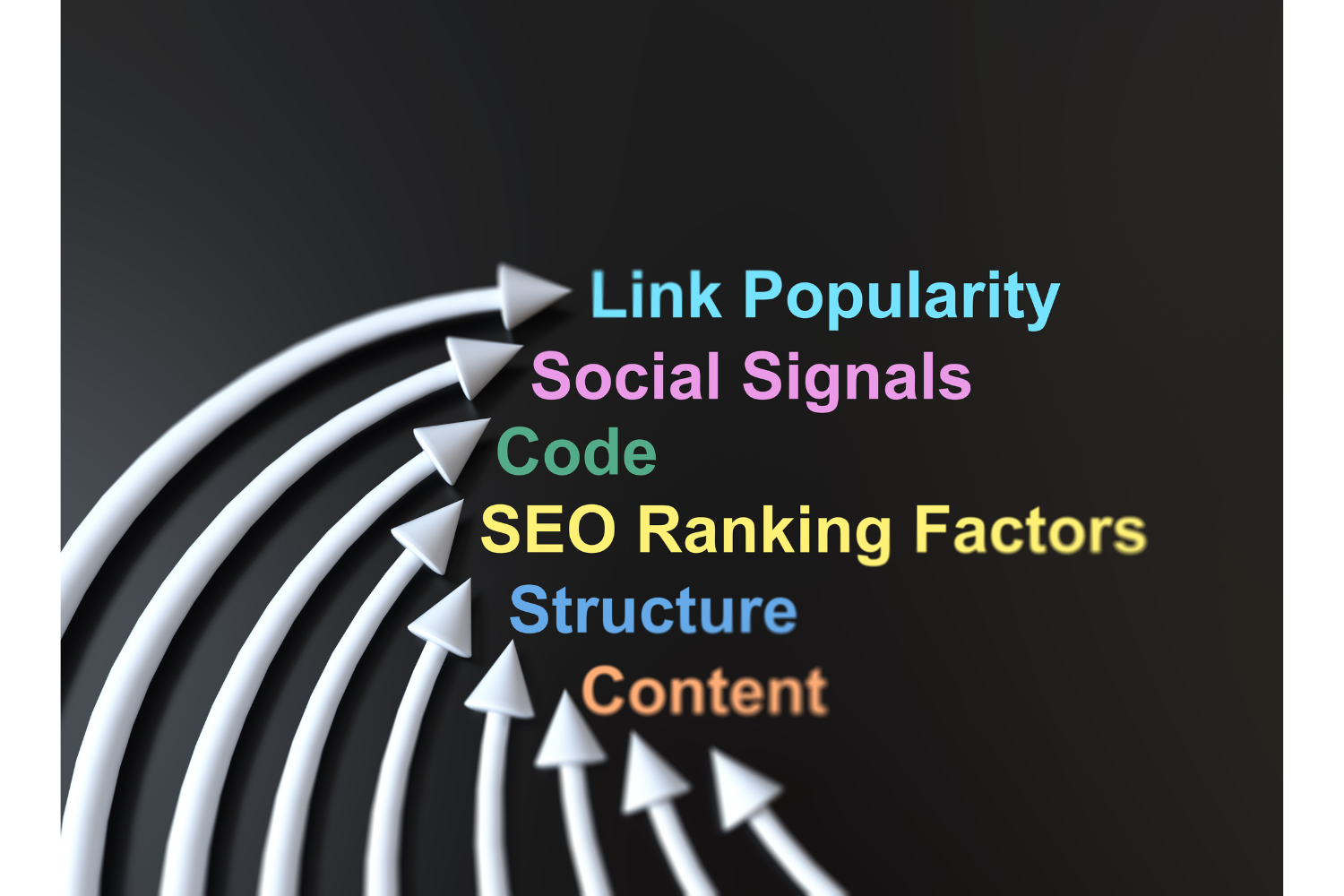
SEO also involves more than one part of a website. A strong strategy may include:
- Improving page content and keyword targeting
- Fixing crawl and indexing issues
- Improving site speed and mobile usability
- Strengthening internal linking
- Publishing useful supporting content
- Building authority through external mentions and backlinks
Google’s Search Essentials emphasize helpful, reliable content, descriptive language, crawlable links, and a technically accessible website. These elements work together rather than acting as one quick ranking switch. You can review those recommendations directly in Google Search Essentials.
What Affects How Long SEO Takes?
The starting condition of the website matters a lot.
A well-established site with strong technical health, useful content, and existing authority may respond to SEO improvements faster than a new website with very little content or search history.
Competition also matters. Ranking for a specific service in one town is very different from competing nationally for a broad commercial keyword.
Other factors include the age and condition of the site, the quality of existing content, technical problems, how competitive the industry is, the strength of competing websites, backlink quality, and how consistently SEO work is completed.
This is why SEO strategies should be built around the actual website and market rather than a generic timeline.
Does Local SEO Work Faster Than National SEO?
Sometimes, but not always.
Local SEO generally focuses on reaching customers in a specific geographic area. That can narrow the competitive field compared with a national campaign, especially for service businesses.
Local campaigns often involve optimizing service pages, location content, Google Business Profiles, citations, reviews, and locally relevant keywords.
VINIO’s SEO services include both local and broader search strategies, depending on where a business needs to compete.

National SEO usually involves a wider audience and more competitive search terms. The strategy may require more content development, stronger authority signals, broader keyword coverage, and more extensive technical work.
For businesses competing beyond one local market, VINIO also provides national SEO services focused on broader visibility and long-term organic growth.
How Technical SEO Affects Your Timeline
Technical problems can slow down SEO before content even has a fair chance to perform.
If search engines cannot properly crawl, render, or index important pages, other optimization work may have limited impact.
Technical SEO can include site speed, mobile usability, structured data, indexing controls, internal linking, XML sitemaps, redirects, and crawl accessibility.
VINIO’s technical SEO services focus on the underlying site issues that can affect how search engines access and understand a website.
Fixing a technical problem does not guarantee an immediate ranking jump, but removing technical barriers gives the rest of the SEO strategy a better foundation.
How Content Affects SEO Growth
Search engines need useful content to understand what your website is about and when your pages are relevant to a search.
That does not mean publishing as many articles as possible. Quality, relevance, structure, and search intent matter more than simply adding words.
Good SEO content should answer real questions, explain services clearly, and help users make decisions. Google specifically recommends creating content that is useful, unique, well organized, and written for people rather than search engines.
On-page optimization also helps search engines understand the purpose of each page. VINIO’s on-page SEO services include content optimization, titles, metadata, page structure, image optimization, and other elements that influence relevance and usability.

Content usually works best as part of a connected site structure. Service pages, blog posts, and supporting resources should link to each other when the connection makes sense.
How Do You Know SEO Is Working?
Rankings are only one part of the picture.
Early signs of progress may include more pages being indexed, higher search impressions, improvements in average keyword positions, more clicks from organic search, or growth in traffic to specific service pages.
Over time, the more important metrics are usually tied to business results.
That can include phone calls, contact form submissions, appointment requests, purchases, or other conversions coming from organic search.
Google Search Console is one of the main tools used to monitor organic search performance because it shows impressions, clicks, queries, indexing data, and other search visibility information.
Google recommends using Search Console to understand how a website is performing in search. You can learn more through Google Search Central.
When Should SEO Start Generating Leads?
Traffic and leads do not always increase at the same time.
A site may start ranking for more keywords before those rankings move high enough to generate meaningful traffic. Traffic may increase before the highest-intent service pages begin converting consistently.
That is why SEO should not be judged by one metric.
A campaign can be moving in the right direction even before lead volume changes significantly. The goal is to improve visibility for the right searches, attract qualified visitors, and make sure the website gives those visitors a clear next step.

Conversion performance also depends on the website itself. Strong rankings cannot fix confusing navigation, weak calls to action, slow pages, or service information that does not answer what a potential customer needs to know.
What Can Slow SEO Down?
SEO progress can stall when important issues are left unresolved.
Common problems include thin or duplicate content, poor site structure, slow page speed, weak internal linking, indexing problems, outdated information, and targeting keywords that do not match what users actually want.
Constantly changing direction can also make it harder to measure progress. SEO works best when improvements are made deliberately, monitored, and adjusted based on performance data.
Google’s own guidance makes the same point in a simpler way: not every change will have a noticeable effect, and sometimes you need to test, wait, review the data, and continue improving.
Build an SEO Strategy Around Long-Term Growth
SEO takes time, but waiting is not the strategy.
The work happening during that time matters. Technical improvements, better content, stronger internal linking, clearer service pages, local optimization, and ongoing performance reviews all contribute to long-term search visibility.

VINIO Marketing builds SEO strategies around the condition of your website, your market, and the searches that matter to your business. We focus on improving the areas that can make the biggest difference and tracking performance as the campaign develops.
If you want to understand where your current site stands and what may be holding it back, explore our SEO services or contact VINIO Marketing to discuss your goals.